
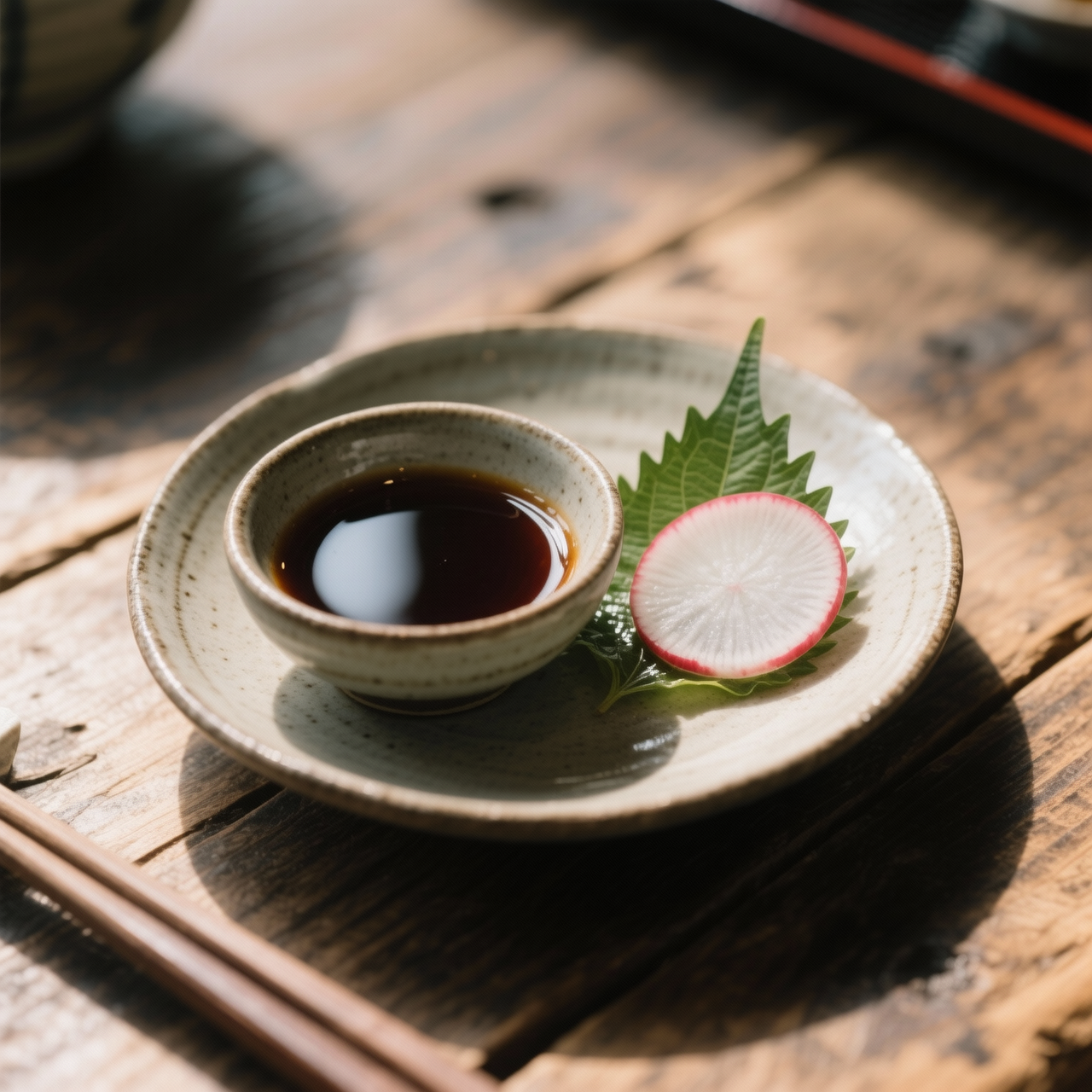
Tare (Mentsuyu Noodle Base)
I’ve spent countless quiet mornings coaxing the perfect balance into this unassuming amber liquid, because tare—more commonly known as mentsuyu—isn’t just a sauce; it’s the quiet heartbeat of Japanese noodle culture. Born in the Edo period when merchants began blending rich soy sauce with delicate kombu and katsuobushi dashi, this concentrated base was designed to stretch precious ingredients while delivering profound umami. I make it because it transforms a simple bowl of buckwheat or wheat noodles into something deeply restorative, and it scales effortlessly from a family dinner to a week’s worth of meal prep. But mastering it requires patience and respect for its delicate equilibrium. The most frequent mistake I see is rushing the reduction, boiling the mirin and sake too aggressively until the alcohol’s sharpness lingers or the sugars scorch into bitterness. Another is treating the dashi as an afterthought; a weak stock will leave you with a salty, one-dimensional syrup rather than a layered, aromatic foundation. I always let the mixture cool completely before straining, giving the kelp and bonito flakes ample time to surrender their essence without turning astringent. Store it in a clean, airtight glass vessel, and never skip the refrigeration, as the natural sugars invite spoilage. When you finally dilute it with ice water or hot broth, the magic happens: a clear, savory-sweet elixir that coats every strand perfectly. It’s humble, yes, but it’s the difference between eating noodles and truly tasting Japan.
Nutrition
| Per serving | Calories | Protein | Carbs | Fat | Sat fat | Fibre | Sugar | Sodium |
|---|---|---|---|---|---|---|---|---|
| beginner | 167kcal | 13g | 25g | 0g | 0g | 1g | 20g | 5020mg |
| intermediate | 167kcal | 13g | 25g | 0g | 0g | 1g | 20g | 5020mg |
| expert | 167kcal | 13g | 25g | 0g | 0g | 1g | 20g | 5020mg |
Per serving · Ava-estimated — a guide, not a clinical figure.
- 300 mlsoy sauce— Koikuchi preferred for traditional depth
- 100 mlmirin— Hon-mirin preferred for authentic sweetness and gloss
- 50 mlsake— Dry junmai or standard cooking grade
- 50 gsugar— White granulated
- 10 gkombu— Wipe lightly with a dry cloth to remove surface dust before use
- 30 gkatsuobushi— Thinly shaved bonito flakes
- 400 mlwater— Filtered or soft water
- 10 ginstant dashi powder
This beginner version streamlines the traditional mentsuyu process by relying on reliable pantry shortcuts, specifically instant dashi powder and pre-measured mirin, to eliminate the time-consuming steeping and straining of dried bonito flakes. Instead of carefully extracting flavors from raw kelp and fish, you will simply dissolve the powder into a balanced blend of soy sauce, mirin, and sake. The technique focuses entirely on gentle heat management: bringing the mixture to a bare simmer and holding it just long enough for the alcohol to cook off and the sugar to fully integrate. Watch closely for the first signs of bubbling, as the high sugar and soy content can quickly scorch or boil over if the flame is left on high. Stir constantly during this phase to ensure an even consistency and prevent the bottom from caramelizing prematurely. Once removed from heat, allow the base to cool completely before transferring it to a sterilized glass container. This concentrated sauce is highly versatile and stores exceptionally well in the refrigerator, ready to be diluted with water for quick noodle dips, soba broths, or light simmering sauces.
Equipment
- Medium saucepan— heavy-bottomed or non-stick prevents scorching
- Glass storage jar— heat-safe and airtight for long-term refrigeration
Method
- 1
Combine soy sauce, mirin, sake, water, and instant dashi powder in a medium saucepan.
Measure liquids accurately to maintain the traditional sweet-salty balance.
combining~ 1 min - 2
Heat the mixture over medium until small bubbles form around the edges, then immediately reduce to low.
Do not let it reach a rolling boil or the sugars will burn.
simmering~ 2 minTricky bit - 3
Stir in granulated sugar until completely dissolved, maintaining a gentle simmer for exactly five minutes.
Scrape the bottom of the pan occasionally to ensure even heating.
dissolving~ 5 min - 4
Remove the pan from the heat and let the base cool to room temperature before transferring to a glass jar.
Cooling completely prevents condensation and spoilage during storage.
cooling~ 15 min
Cooking from frozen
Thaw overnight in the refrigerator and stir well before diluting with water or broth to serve.
Storage times are a guide — always use your judgement and store food safely.