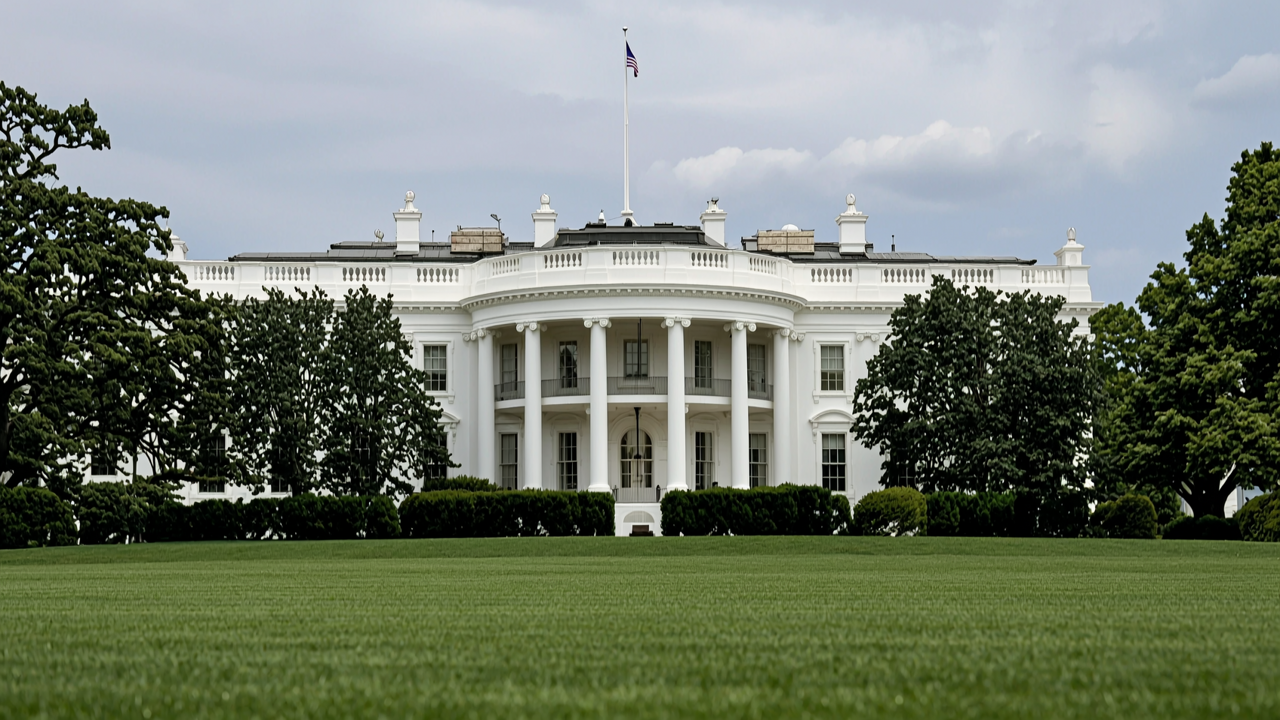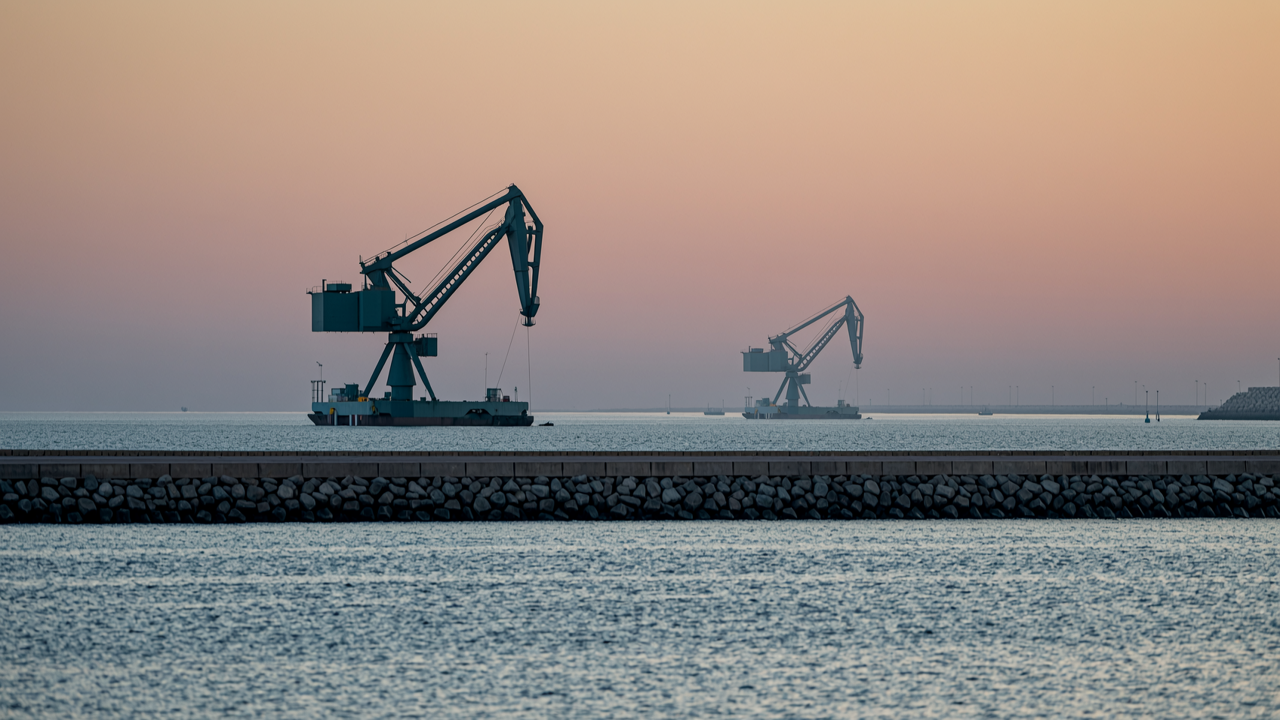
Two militaries are exchanging fire across a 33-kilometre-wide strip of water, and for the past 72 hours neither has been willing to say the same thing about whether it is open.
The Strait of Hormuz — the narrow corridor between Iran and Oman through which roughly a fifth of the world's oil passes — is at the centre of the sharpest escalation between the United States and Iran since the ceasefire signed earlier this year. Both sides are claiming control. Neither can demonstrate it. And the shipping data, which is the only thing that actually measures who controls a waterway, tells a story both headlines are designed to obscure.
What is happening on the water
The latest cycle began on 11 July, when Iranian forces fired on a Cyprus-flagged container ship transiting the strait. The vessel suffered significant damage and one crew member was reported missing. Iran said the ship was using an "unauthorised route." The United States said it was lawfully transiting international waters.
Within hours, the US launched its third round of strikes on Iran in a week, hitting what Central Command described as more than 140 targets — air defence systems, radar sites, missile and drone equipment, and small boats. Iran's Islamic Revolutionary Guard Corps responded with drone and missile strikes at US military installations across the Gulf, with reports of aerial attacks in the United Arab Emirates, Qatar, Jordan, Bahrain and Oman.
The IRGC then issued a statement declaring the strait closed. US Central Command posted a direct rebuttal: "The Strait of Hormuz is a vital maritime corridor for global trade. Iran does not control it. US forces are postured and prepared to ensure that freedom of navigation remains available to commercial shipping."
On 13 July, Trump went further, saying the United States would "probably run" the strait and that the US is "going to get paid for guarding" it. Iranian officials, at the funeral of Supreme Leader Ayatollah Ali Khamenei, called for revenge and blamed the United States for "everything that has happened over the past several weeks."
As of Monday evening, no commercial vessels had crossed the strait while broadcasting their location via transponder, according to data cited by The Independent. Some may have passed with their transmitters off. The Guardian reported the lowest level of verified crossings in a month.
What the numbers actually show
Before the war, an estimated 120 to 140 vessels transited the strait daily. Over the weekend of 3–5 July, data tracking company Kpler recorded 108 crossings across three days — roughly 34 to 43 per day, a fraction of normal traffic. Brent crude rose more than 4 per cent on Monday, according to Al Jazeera. Prices remain well below the $112-a-barrel wartime peak reached in mid-May, but they have climbed back from the brief dip below $72 that followed the strait's earlier reopening.
The gap between the two sides' claims and the reality on the water is the story. Iran declares the strait closed but maintains a lane system through the north of the strait, close to the Iranian coast, where Tehran is attempting to justify charging tolls. The US declares it open but cannot prevent the fact that commercial vessels are either not transiting or are doing so in sharply reduced numbers. Both claims are, in a practical sense, untrue.
The diplomatic shape
Oman has drafted a proposal to manage traffic through two separately controlled corridors: a southern route through Omani territorial waters, and a northern route through Iranian waters. Under the proposal, both corridors would remain open. European officials are considering the plan, which would effectively formalise the lane system Iran has been trying to impose unilaterally — but under a multilateral framework rather than Iranian control.
US officials have called on Iran to make a public declaration that the strait is open and that ships using the corridor will not be attacked. They have blamed internal power struggles in Tehran for the difficulty in reaching and adhering to a deal. Iran's lead negotiator has made clear that Tehran's position rests on its reading of the geography — that the strait runs through Iranian waters and Iran therefore has authority over it.
Mediators from Qatar, Pakistan and other countries are working to ease the tension, but peace talks remain on hold. Trump ordered the latest strikes while attending the NATO summit in Turkey, and also revoked a license that allowed Iran to sell its oil on world markets.
What each side is actually fighting for
Iran's position is geographic and legal: it argues the strait runs through its territorial waters and that it therefore has the right to control passage, impose conditions, and close it in response to what it calls US interference. The IRGC's closure demand is not just tactical — it is an assertion of sovereignty that Tehran has been making for decades and that the 2023 memorandum of understanding with Oman left deliberately ambiguous.
The US position is operational: it argues the strait is an international waterway, that freedom of navigation is non-negotiable, and that Iran has no right to impose conditions on commercial shipping. CENTCOM has been guiding vessels through an alternate southern channel and offering naval protection from Iranian attacks — a de facto control arrangement that the US is now trying to make permanent.
Both positions are, in practice, claims to administer the same water. The question neither side has answered is what happens when two powers claim to run the same corridor and neither can fully enforce its claim.
The ceasefire that was supposed to hold this region together is, by most accounts, at the point of collapse. The strait is not closed. It is not open. It is contested — and the contest is being conducted with missiles, drones, and two sets of press releases that say opposite things about the same body of water.