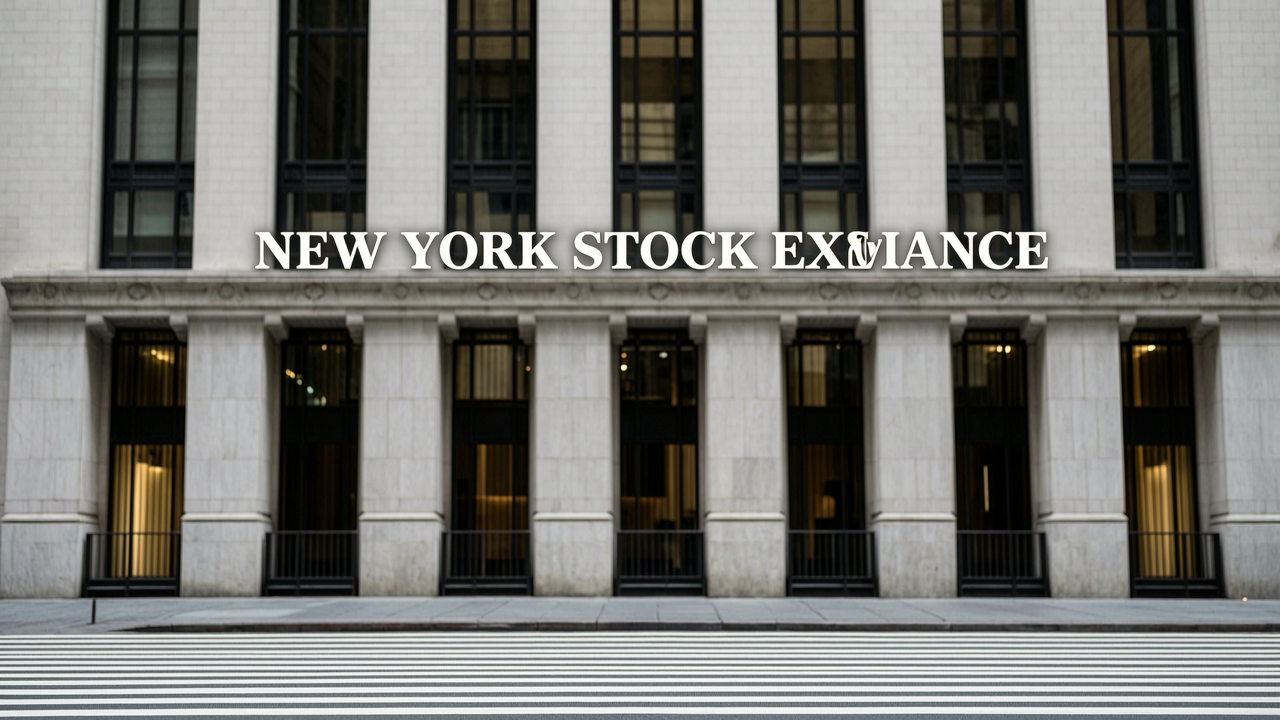
Major U.S. stock indices, including the Dow Jones Industrial Average, S&P 500, and Nasdaq Composite, fell for the fourth consecutive trading session. The decline occurred alongside a jump in bond yields and sustained high prices for crude oil.
Economic data released on Thursday showed that producer prices advanced by 0.4% in August compared to the previous month, aligning with economists' expectations but marking an increase from July's revised rise of 0.1%. The core producer price index, which excludes volatile food and energy costs, rose by 0.2% over the same period.
In the labor market, weekly initial jobless claims came in at 206,000 for the week ended September 7, slightly higher than the 205,000 expected by economists. Meanwhile, inflation metrics indicated that headline prices rose by 5.4% year-over-year in August, exceeding estimates of 5.3% and advancing from the previous month's revised 4.8%. Core inflation stood at 4.6%, matching estimates but remaining above July's 4.2% gain. This data precedes the monthly consumer price inflation report due Friday, which is viewed as a key indicator for the Federal Reserve's future policy direction.
Commodity markets also saw volatility. Both Brent crude (BZ=F) and WTI crude (CL=F) remained above $100 per barrel, reaching their highest levels since May. Benchmark Brent crude had recently hit $100 for the first time since July, highlighting ongoing inflation concerns. Gold traded in a narrow range as investors weighed its long-term value as a hedge against near-term headwinds from rising bond yields and Middle East tensions. Yields on 10-year Treasuries increased, negatively impacting gold prices, after a government plan to purchase up to $6 billion in longer-rated debt failed to sway the market.