Andy Burnham became Britain’s seventh prime minister in a decade on Monday, and his first act was to demonstrate exactly why that number matters: he removed the chancellor, the deputy prime minister, and several other senior ministers in a cabinet reshuffle that signalled a sharp break from Keir Starmer’s government.
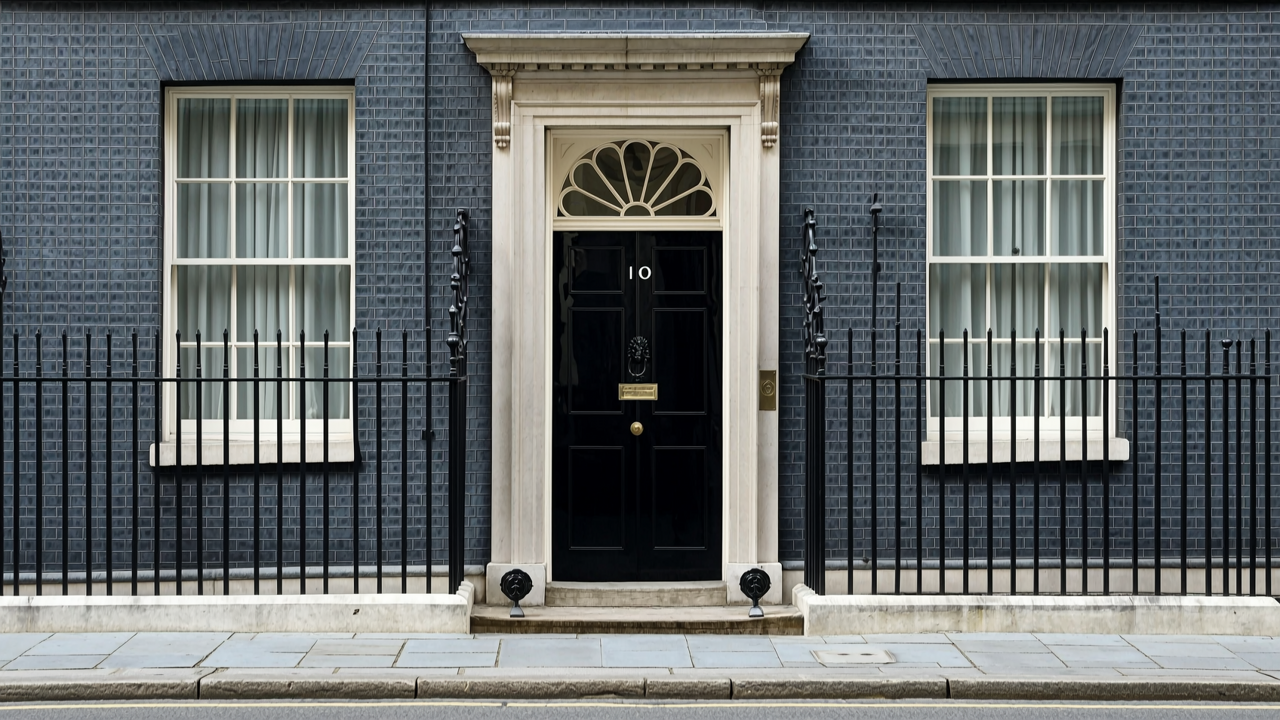
In his first speech on the steps of Downing Street, Burnham acknowledged the weight of the moment. The Guardian reports he said he was "acutely conscious that I am the sixth person in the last 10 years to walk up this street, the seventh prime minister since 2016, making this a moment for reflection and new resolution." He framed his arrival as a "circuit breaker" moment for the country, a phrase echoed across multiple outlets including the BBC and the New York Times.
The personnel changes were immediate and sweeping. The Guardian, BBC, CNN, and The Independent all confirm that Rachel Reeves is out as chancellor and David Lammy has left as deputy prime minister and justice secretary. The BBC reports that Steve Reed and Peter Kyle are also no longer in government. The Guardian’s live coverage notes Reeves was offered a "big job" but declined.
What Burnham calls "ending instability" begins, then, with a purge of the last administration’s top team. But the early policy signals suggest he believes the instability is more than personnel — it is structural. Al Jazeera reports his pledge to end political instability is explicitly tied to seeing off populist forces making large gains. Fox News, in its framing, says he called for a "new political model." The Independent, paraphrasing his first speech, reports he pledged to bring life’s essentials back under stronger public control to make them more affordable and to end rough sleeping.
The divergence in how outlets interpret these signals is revealing. The Guardian leads with the "circuit breaker" narrative and the promise of "the biggest changes in 40 years." Al Jazeera connects the stability pledge directly to the rise of populism. Fox News emphasises the shift of power away from London. ITV News quotes him pledging to "help people to live well." CNBC, meanwhile, notes that the prospect of a more left-leaning Burnham has already sent "jitters through bond markets," and reports Donald Trump’s description of Britain as a "Poverty Stricken Disaster."
What none of these interpretations dispute is the scale of the turnover. AP News, NPR, ABC News, NBC News, and The Age all independently report that Burnham is the seventh prime minister in a decade. The Guardian’s live coverage adds texture: Burnham wants to put "the right values and the right standards at the heart of government."
The question hanging over his premiership is whether a change of personnel and a shift in policy emphasis can stabilise an office that has become synonymous with instability. The cabinet reshuffle is the most visible sign of the break with the past. But the fact that such a dramatic clear-out is now the expected first act of a new prime minister only underlines how normalised the instability has become.
Burnham’s answer, in his first hours, is that stability requires more than a steady hand — it requires a different model. Whether that model can outlast the next crisis remains the unanswered question.